1. Antioxidant Properties
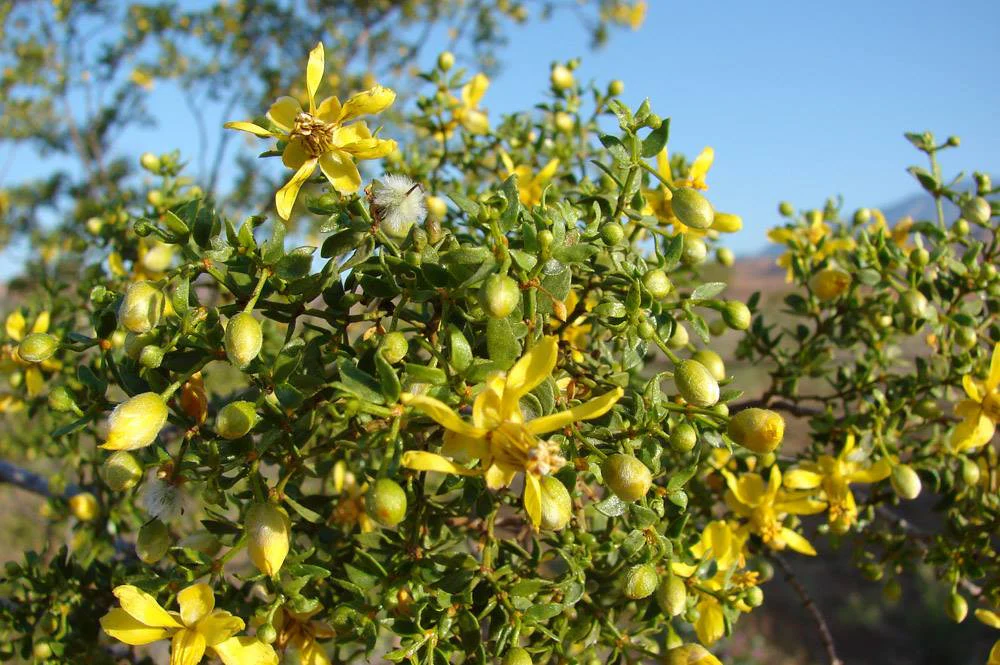
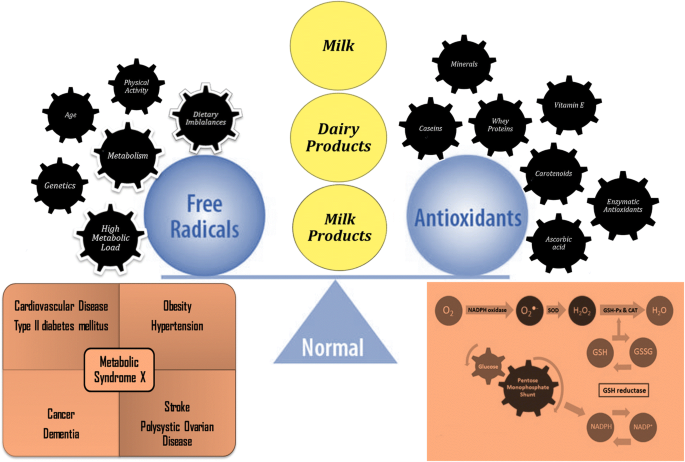
One of the primary health benefits of chaparral lies in its potent antioxidant properties. Antioxidants help neutralize free radicals in the body, which are unstable molecules that can damage cells and lead to chronic diseases such as cancer, heart disease, and aging. Chaparral is rich in compounds like lignans and flavonoids that help fight oxidative stress, promoting better overall health and potentially slowing down the aging process.
2. Anti-Inflammatory Effects
Chaparral has been recognized for its ability to reduce inflammation, which is linked to many chronic health conditions such as arthritis, cardiovascular disease, and autoimmune disorders. Studies suggest that chaparral’s anti-inflammatory compounds may help reduce swelling, alleviate pain, and promote healing in the body. Whether consumed as a tea or in supplement form, this herb can be a valuable addition to an anti-inflammatory regimen.

3. Detoxification and Liver Health
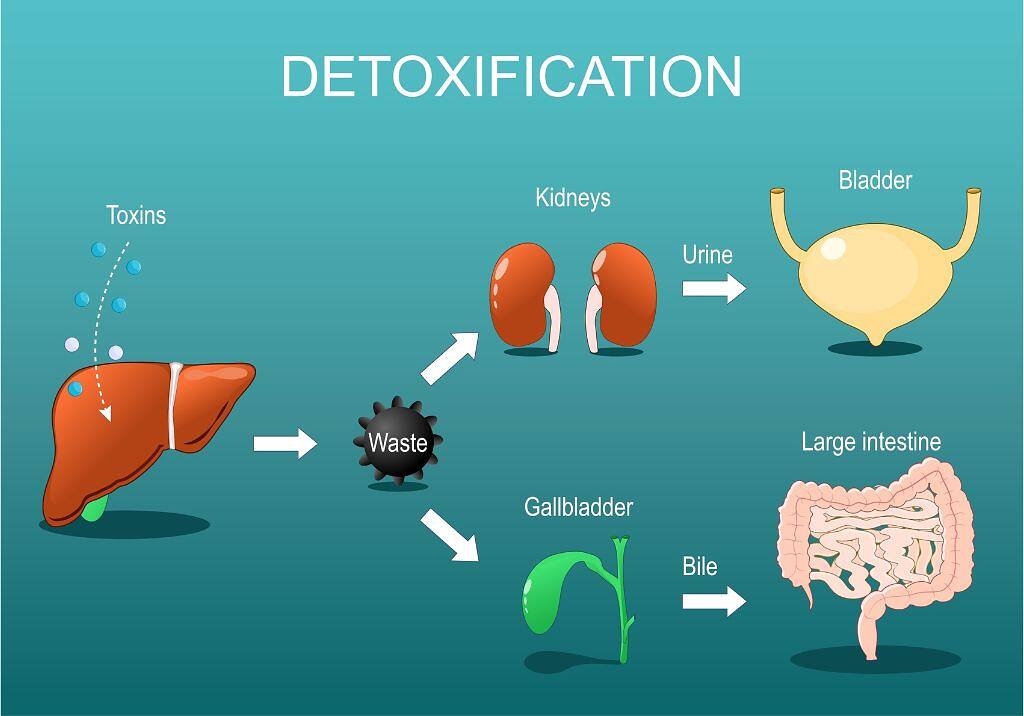
Chaparral is often praised for its detoxifying properties, particularly in supporting liver health. It has been used historically as a cleansing herb, helping the liver to expel toxins from the body. The liver is responsible for filtering harmful substances, and chaparral may enhance this process. Some studies suggest that it could aid in treating liver conditions by improving liver function and protecting it from oxidative damage.
4. Antimicrobial and Antiviral Properties
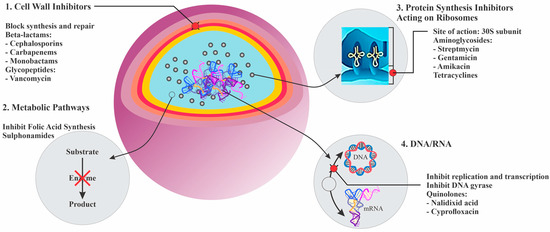
Chaparral has long been used for its antimicrobial effects. It has been found to have both antibacterial and antiviral properties, which could help combat various infections. For instance, it may help protect against harmful bacteria like Staphylococcus aureus, which can cause skin infections, as well as viral infections such as the common cold or flu. Due to its antimicrobial qualities, chaparral has been utilized to treat skin conditions, respiratory ailments, and digestive issues.
5. Skin Health and Healing
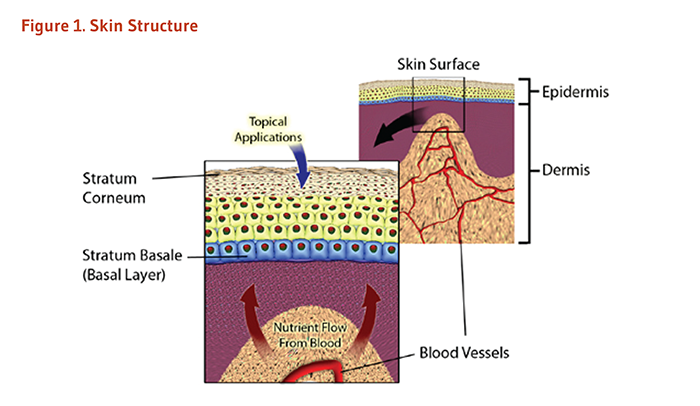
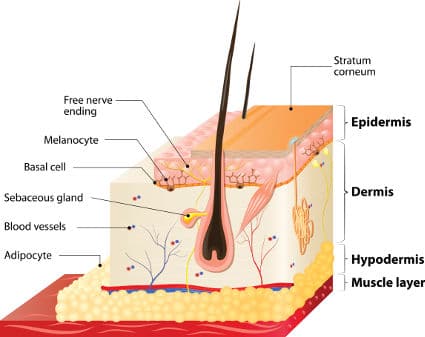
Chaparral has a rich history of being used to treat skin disorders, including eczema, psoriasis, and acne. Its antibacterial and anti-inflammatory properties may contribute to faster healing of wounds and rashes. Chaparral’s ability to detoxify the body also helps improve skin health from the inside out by clearing toxins that can lead to blemishes and other skin conditions. Furthermore, it can be applied topically as an herbal salve for wound healing.
6. Potential Cancer-Fighting Properties
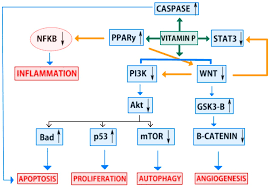
While more research is needed, chaparral has shown potential as an anticancer herb. Laboratory studies have indicated that some of its compounds may inhibit the growth of certain cancer cells, particularly in skin cancer. Chaparral is believed to have apoptotic properties, meaning it could induce the death of cancerous cells while leaving healthy cells unharmed. Although this is still an area of ongoing study, chaparral’s possible anticancer benefits have led many to consider it as part of a holistic cancer-fighting approach.
7. Digestive Health
Chaparral has also been linked to digestive health benefits. Some people use it to treat gastrointestinal issues such as indigestion, bloating, and constipation. It is thought to have mild laxative effects, helping to regulate bowel movements and prevent constipation. Additionally, its antimicrobial properties can assist in balancing gut flora and preventing infections in the digestive tract.
8. Immune System Support
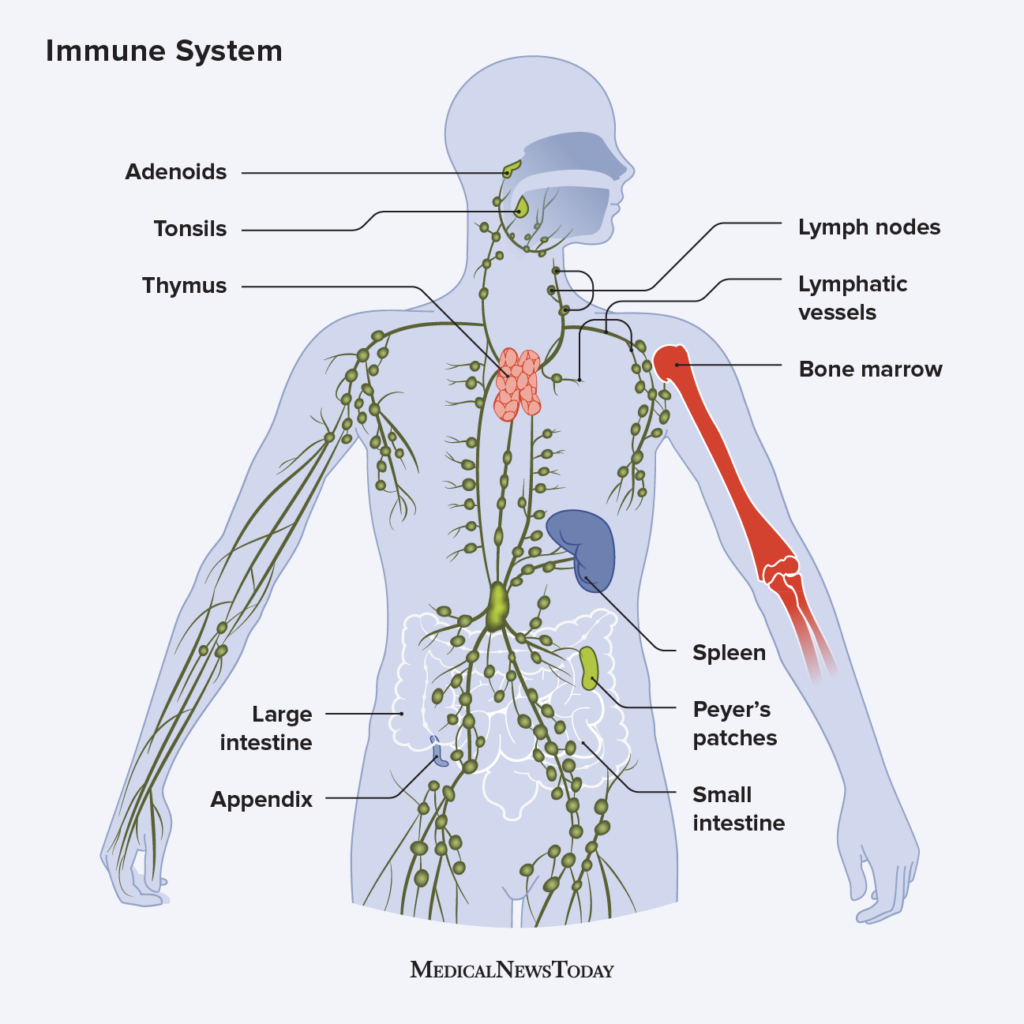
Chaparral may help strengthen the immune system. Its antiviral, antimicrobial, and anti-inflammatory properties all contribute to supporting the body’s natural defense mechanisms. By promoting overall wellness and reducing inflammation, chaparral may help the immune system fight off infections more effectively.
How to Use Chaparral
Chaparral can be consumed in various forms, including teas, tinctures, capsules, and topical ointments. For internal use, chaparral tea or tincture is the most common way to reap its health benefits. It’s important to start with a small dose, as chaparral can be potent and may cause adverse reactions in some individuals.
If using chaparral topically, an ointment or salve may help treat skin conditions like eczema, acne, or minor wounds. Always do a patch test on a small area of skin first to ensure you don’t experience irritation or an allergic reaction.
Caution and Side Effects
While chaparral offers many health benefits, it’s essential to use it cautiously. Some studies have shown that prolonged use of chaparral could potentially damage the liver. As a result, it’s essential to consult with a healthcare provider before using chaparral, especially if you have liver issues or are on medications that affect the liver. Additionally, pregnant and breastfeeding women should avoid using chaparral, as its safety in these situations is not well-established.
Conclusion
Chaparral is a fascinating herb with a rich history of use in traditional medicine. Its antioxidant, anti-inflammatory, detoxifying, and antimicrobial properties make it a valuable addition to your natural health regimen. However, like all herbal remedies, it’s essential to use chaparral responsibly and under the guidance of a healthcare professional. With the proper precautions, chaparral can provide significant health benefits and support overall well-being.