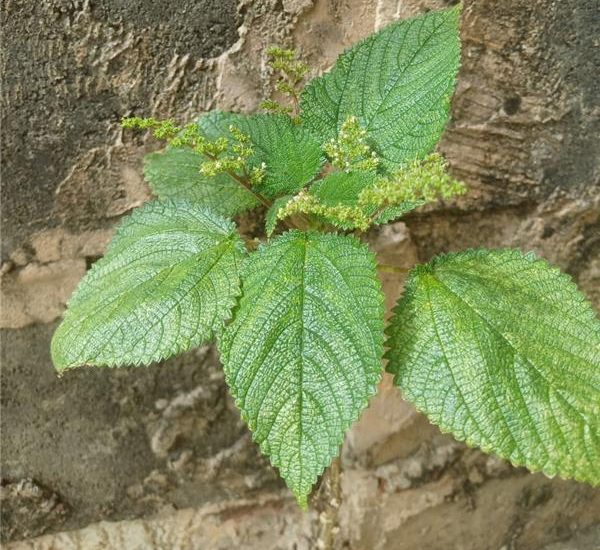
Stinging nettle, scientifically known as Urtica dioica, is a perennial plant that grows abundantly in temperate regions across the world. Often feared due to its painful stings, which occur when its tiny hairs come into contact with skin, stinging nettle is actually a powerhouse of health benefits. This herb has been used for centuries in traditional medicine, and modern science is now catching up to its many properties. Packed with nutrients and bioactive compounds, stinging nettle offers a wide range of therapeutic benefits that can support overall health and well-being.

1. Rich in Nutrients
One of the standout features of stinging nettle is its impressive nutritional profile. The plant is an excellent source of vitamins and minerals, including vitamins A, C, K, and several of the B vitamins. It also contains significant amounts of iron, calcium, magnesium, potassium, and phosphorus. These nutrients are essential for maintaining healthy bones, immune function, energy levels, and skin health.
Moreover, stinging nettle contains powerful plant compounds, such as flavonoids, carotenoids, and phenolic acids, which contribute to its antioxidant and anti-inflammatory properties. This herb is truly a nutritional powerhouse and a great addition to a balanced diet.
2. Anti-Inflammatory Properties
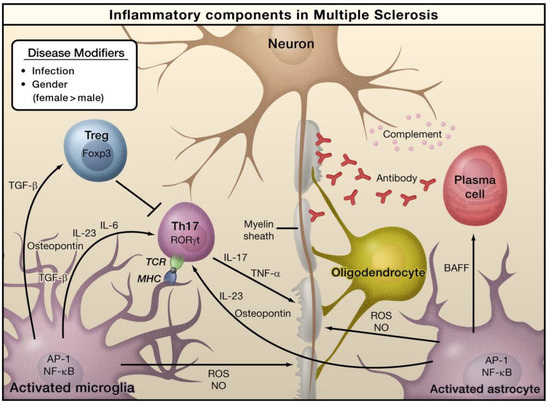
Stinging nettle is well known for its anti-inflammatory effects. Inflammation is at the root of many chronic conditions, such as arthritis, cardiovascular disease, and diabetes. Stinging nettle has been shown to reduce levels of inflammation in the body, making it a popular herb for managing conditions like osteoarthritis and rheumatoid arthritis. Its anti-inflammatory compounds, including flavonoids and other phytochemicals, help soothe swollen joints and relieve pain.
Many people use nettle in the form of teas or tinctures to help alleviate arthritis symptoms, as it may act as a natural alternative to anti-inflammatory medications.
3. Support for Prostate Health
Stinging nettle is particularly beneficial for men, especially in terms of prostate health. The herb has long been used in traditional medicine to treat benign prostatic hyperplasia (BPH), a non-cancerous enlargement of the prostate gland that occurs in older men. Research suggests that stinging nettle may help reduce symptoms of BPH, such as frequent urination and difficulty in urinating, by blocking the effects of certain hormones that contribute to prostate growth.
Nettle root extract, in particular, has shown promise in studies on prostate health, making it a popular natural remedy for those seeking to support their prostate function.
4. Relieves Hay Fever and Allergies
Stinging nettle is often used as a natural treatment for hay fever and other seasonal allergies. Its ability to reduce inflammation and inhibit histamine release in the body makes it a powerful antihistamine. Histamine is a compound released during allergic reactions that causes symptoms like itching, sneezing, and runny nose.
Many people turn to stinging nettle to help manage their allergy symptoms, often in the form of a dried herb or supplement. It can be particularly helpful for people who suffer from seasonal allergies triggered by pollen.
5. Supports Healthy Hair and Skin
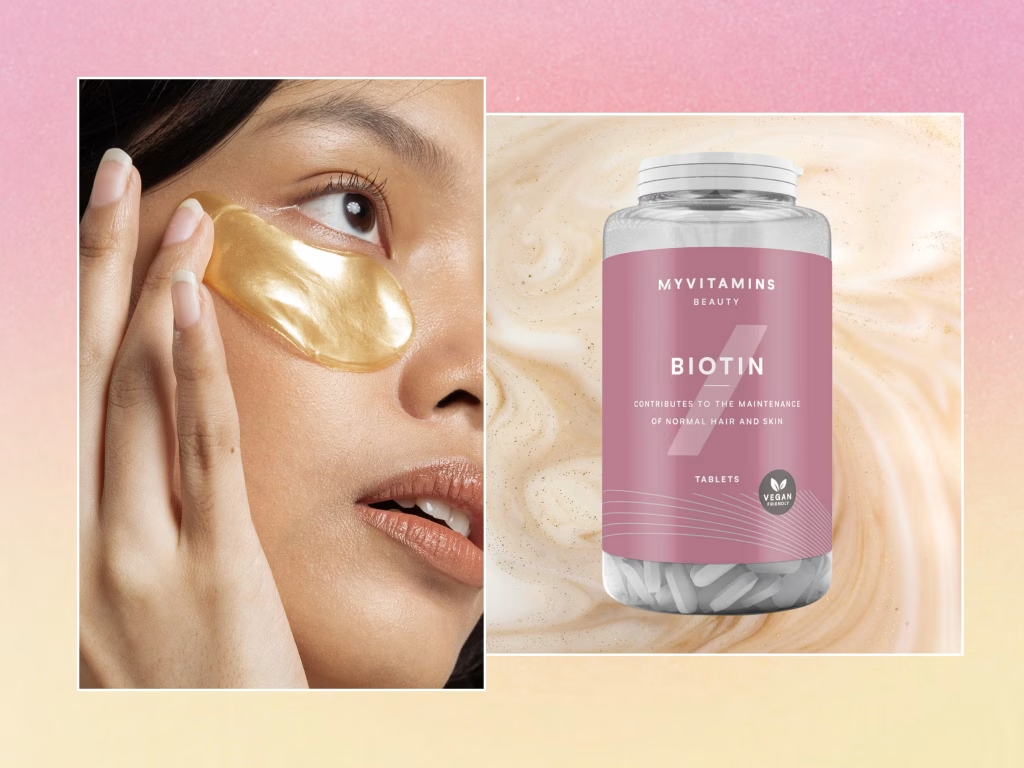
Thanks to its high levels of vitamins, minerals, and antioxidants, stinging nettle can help promote healthy hair and skin. It is often included in hair care products aimed at preventing hair loss and stimulating hair growth. The herb’s high silica content helps strengthen hair and nails, while its anti-inflammatory and antibacterial properties may reduce scalp irritation and dandruff.
Stinging nettle is also beneficial for the skin. Its ability to reduce inflammation and its rich antioxidant content make it useful for treating conditions such as acne, eczema, and psoriasis. Applying nettle extracts topically or consuming it as a tea can support clearer, healthier skin
6. Supports Healthy Blood Sugar Levels
Stinging nettle may help regulate blood sugar levels, making it a beneficial herb for individuals with diabetes or those looking to prevent the onset of type 2 diabetes. Some studies have shown that stinging nettle can improve insulin sensitivity and reduce blood glucose levels.
Additionally, stinging nettle contains compounds that may help lower cholesterol and support cardiovascular health. Its ability to balance blood sugar levels and improve heart health is another reason to consider adding nettle to your wellness routine.
7. Detoxification and Kidney Health
Stinging nettle is a natural diuretic, meaning it helps increase the frequency of urination, which can aid in the elimination of waste products and toxins from the body. This diuretic effect supports kidney health by encouraging detoxification and improving the body’s ability to remove excess fluid, which can help with conditions like bloating and water retention.
Additionally, nettle has been shown to protect against kidney stones by reducing the concentration of uric acid and other compounds that can form stones in the kidneys.
8. Enhances Circulation and Iron Levels
Due to its high iron content, stinging nettle is often recommended for people with iron deficiency or anemia. Iron is a crucial mineral for the production of hemoglobin, the protein in red blood cells that carries oxygen throughout the body. Stinging nettle helps improve circulation and boost iron levels, contributing to better oxygen delivery and overall vitality.
Its ability to enhance circulation can also support cardiovascular health and improve energy levels, especially for individuals dealing with fatigue or poor circulation.
How to Use Stinging Nettle
Stinging nettle can be consumed in various forms, including teas, capsules, tinctures, and extracts. For a quick and easy option, nettle tea is a popular choice. You can brew dried nettle leaves into a soothing tea that can be consumed daily to reap its health benefits. Nettle capsules and tinctures are also widely available for those who prefer a more concentrated form of the herb.
For topical use, nettle extracts or ointments can be applied to the skin to help treat conditions like eczema or acne.
Caution and Side Effects
While stinging nettle is generally considered safe for most people, it’s important to exercise caution when using it. The plant’s stinging hairs can cause skin irritation, so avoid handling it with bare hands. Wear gloves when harvesting fresh nettle from the wild.
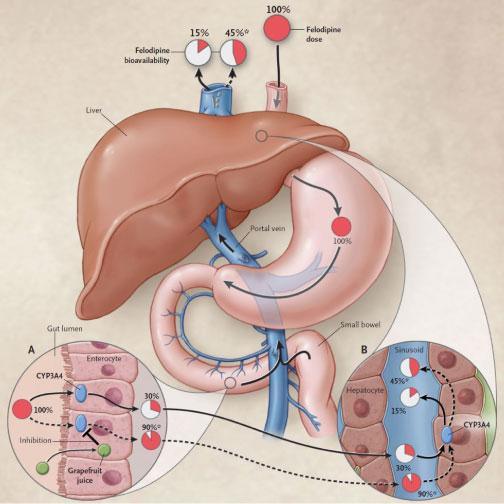
Additionally, stinging nettle can interact with certain medications, including blood thinners and medications for high blood pressure. It’s essential to consult with a healthcare provider before using stinging nettle, especially if you are pregnant, breastfeeding, or taking prescription medications.
Conclusion
Stinging nettle is a versatile and nutrient-dense herb that offers a wide array of health benefits. From supporting prostate health and reducing inflammation to improving circulation and managing allergies, stinging nettle is a natural remedy worth considering. Whether you use it for its anti-inflammatory properties, to enhance skin health, or to promote detoxification, stinging nettle can be a valuable addition to your wellness routine. However, as with any herb, it’s important to use it responsibly and consult with a healthcare provider if you have any concerns.