
1. The Brain: The Control Center
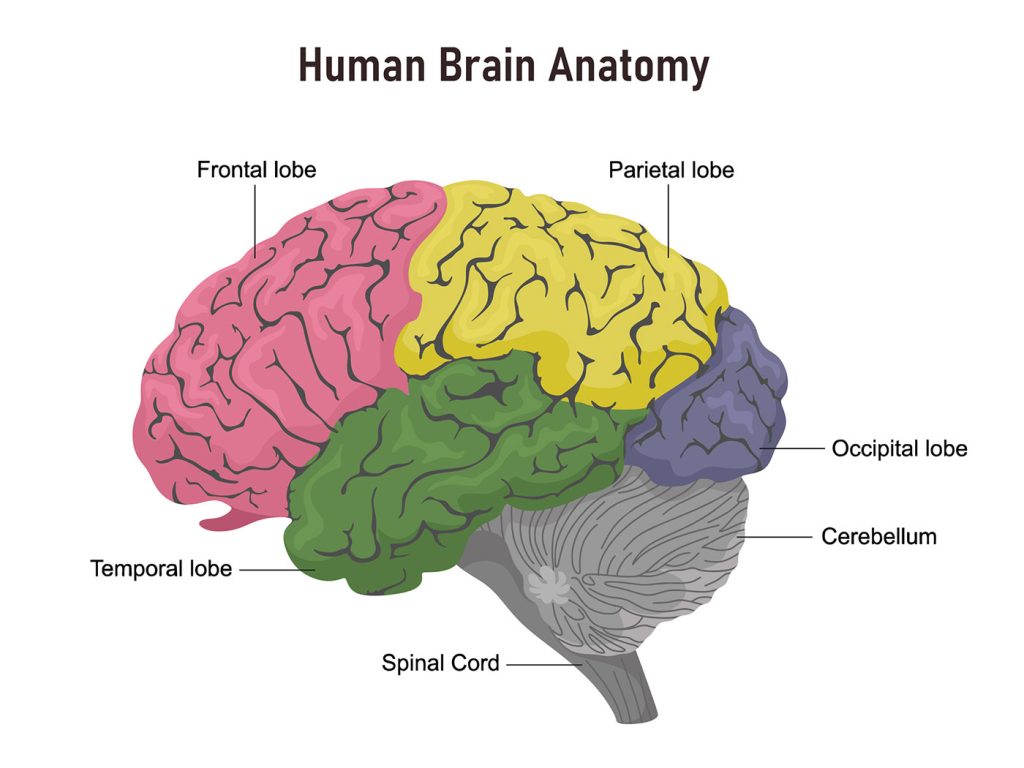
At the helm of the human body is the brain—the central command station of the nervous system. Weighing about 3 pounds, the brain controls thoughts, memory, emotions, touch, motor skills, vision, breathing, temperature regulation, and much more. It’s responsible for both voluntary actions like moving and involuntary processes like breathing and heartbeat.
Function: The brain processes sensory information and sends signals through the spinal cord to the rest of the body. It also coordinates complex functions like cognition, language, and decision-making.
2. The Heart: The Lifeblood of Circulation
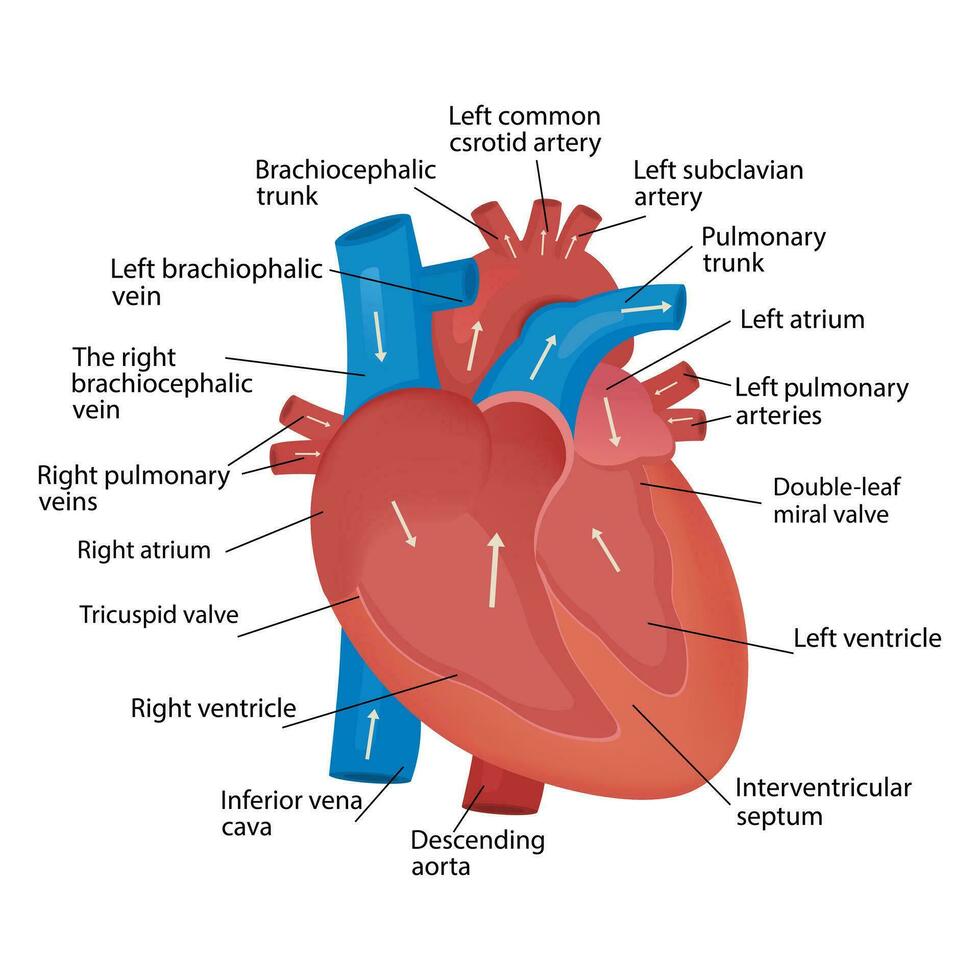
The heart is the body’s pump, tirelessly circulating blood throughout the body. It beats approximately 100,000 times per day, pumping around 5 liters of blood through its network of arteries and veins. The heart is divided into four chambers: the right and left atria, and the right and left ventricles, each with distinct roles in the blood flow process.
Function: The heart pumps oxygenated blood from the lungs to the body and returns deoxygenated blood to the lungs for oxygenation. It plays a critical role in maintaining the body’s circulation and regulating blood pressure.
3. The Lungs: Oxygen Supply
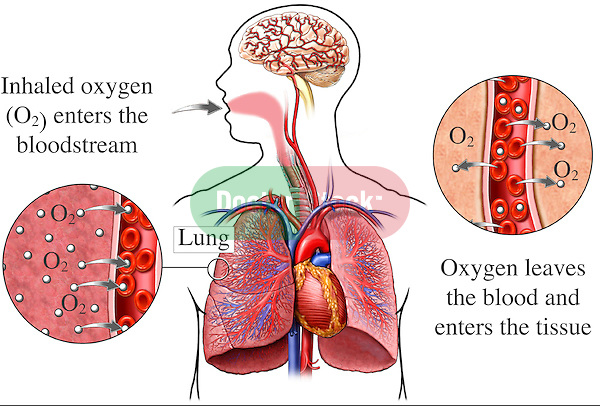
The lungs are the primary organs involved in respiration. We breathe in oxygen and expel carbon dioxide—a waste product of cellular respiration. Located in the chest cavity, the lungs are made up of small air sacs called alveoli, where gas exchange occurs.
Function: The lungs allow the body to absorb oxygen and expel carbon dioxide, which is vital for cellular processes. The respiratory system works with the circulatory system to distribute oxygen throughout the body.
4. The Liver: Detoxification and Digestion
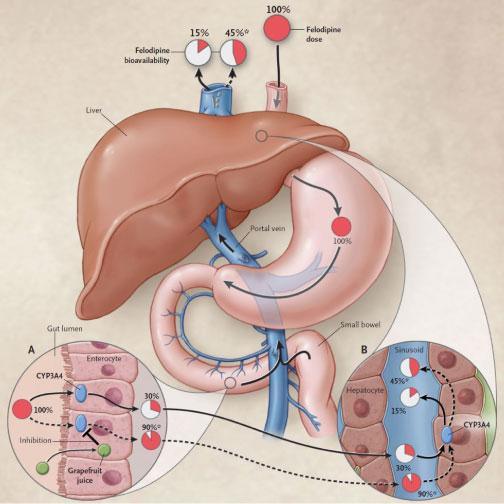
The liver is one of the most important organs for detoxifying and metabolizing substances in the body. It processes nutrients from food, stores glycogen (a form of energy), produces bile to aid in fat digestion, and detoxifies harmful substances such as alcohol and drugs.
Function: The liver breaks down fats, proteins, and carbohydrates, detoxifies chemicals, and plays a key role in digestion by producing bile. It also helps regulate blood clotting, store vitamins, and support immunity.
5. The Kidneys: Waste Management and Fluid Balance
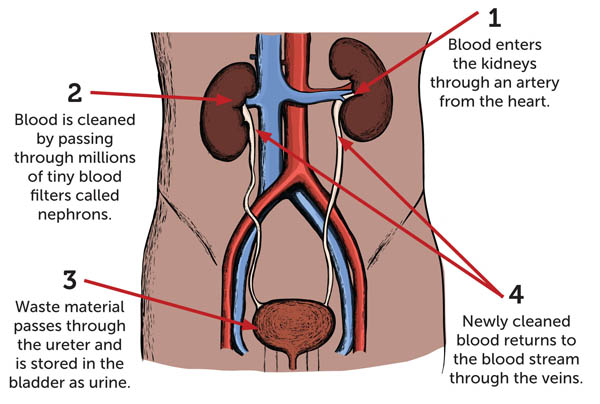
The kidneys are vital for filtration and waste removal. Positioned on either side of the spine, the kidneys filter the blood to remove waste products and excess substances, which are then excreted as urine. They also help regulate electrolytes, fluid balance, and blood pressure.
Function: The kidneys filter out toxins, excess water, and waste from the blood, ensuring the body’s internal environment stays balanced. They also produce hormones that regulate blood pressure, red blood cell production, and calcium metabolism.
6. The Digestive System: Nourishment and Waste Removal
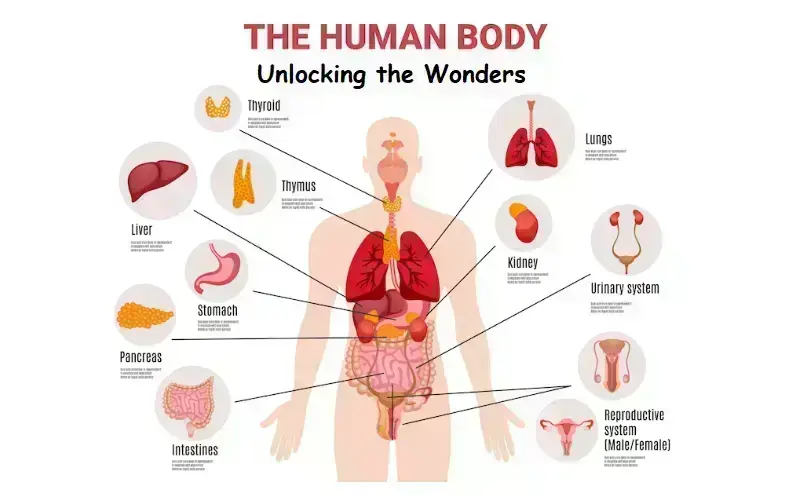
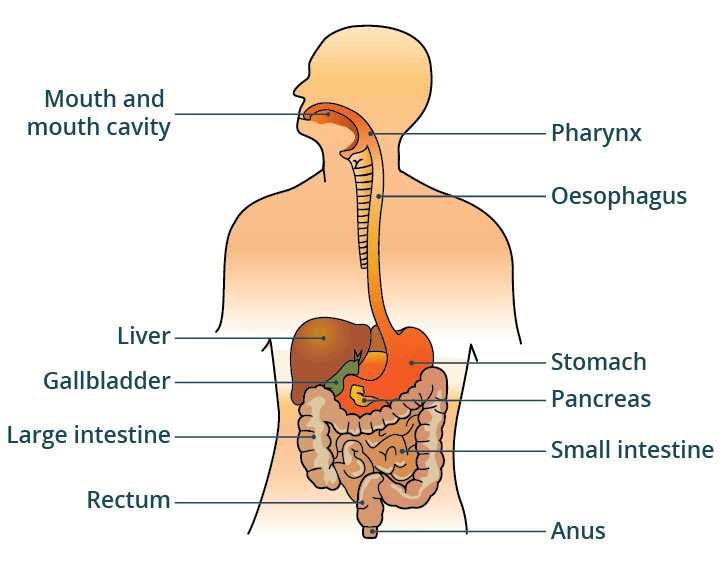
The digestive system breaks down food into smaller components that can be absorbed by the body for energy and nutrition. The process starts in the mouth and continues through the stomach, intestines, and other organs. Along the way, nutrients from food are absorbed into the bloodstream, while waste is prepared for excretion.
Function: The digestive system converts food into essential nutrients like carbohydrates, proteins, fats, vitamins, and minerals. It also helps remove solid waste from the body. Major organs involved include the stomach, intestines, pancreas, and gallbladder.
7. The Skin: Protection and Sensation
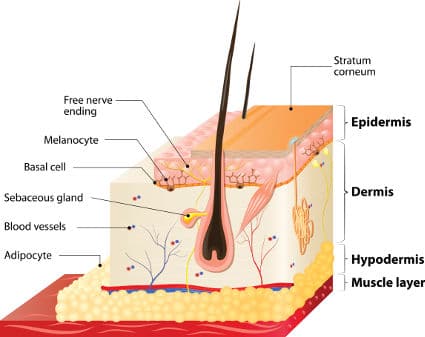
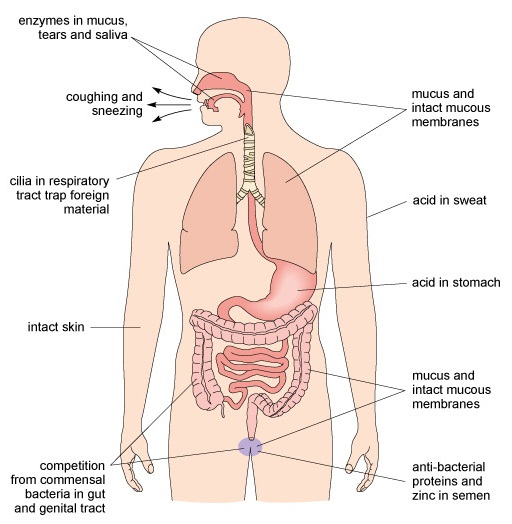
The skin is the body’s largest organ and serves as the first line of defense against harmful microorganisms, chemicals, and physical damage. It also plays a vital role in regulating body temperature and providing sensory information.
Function: The skin protects against infection, regulates temperature through sweating and blood flow, and allows the sensation of touch, pain, and temperature. It also helps in the synthesis of vitamin D, which is essential for bone health.
8. The Immune System: The Body's Defense Mechanism
The immune system is the body’s defense network, composed of a variety of organs, tissues, and cells that work together to fight infections, viruses, and bacteria. It includes organs like the spleen, bone marrow, and lymph nodes, as well as white blood cells and antibodies.
Function: The immune system detects and destroys pathogens, foreign invaders, and diseased cells. It uses a combination of physical barriers (like the skin) and immune responses (such as the production of antibodies) to protect the body.
9. The Muscular System: Movement and Posture
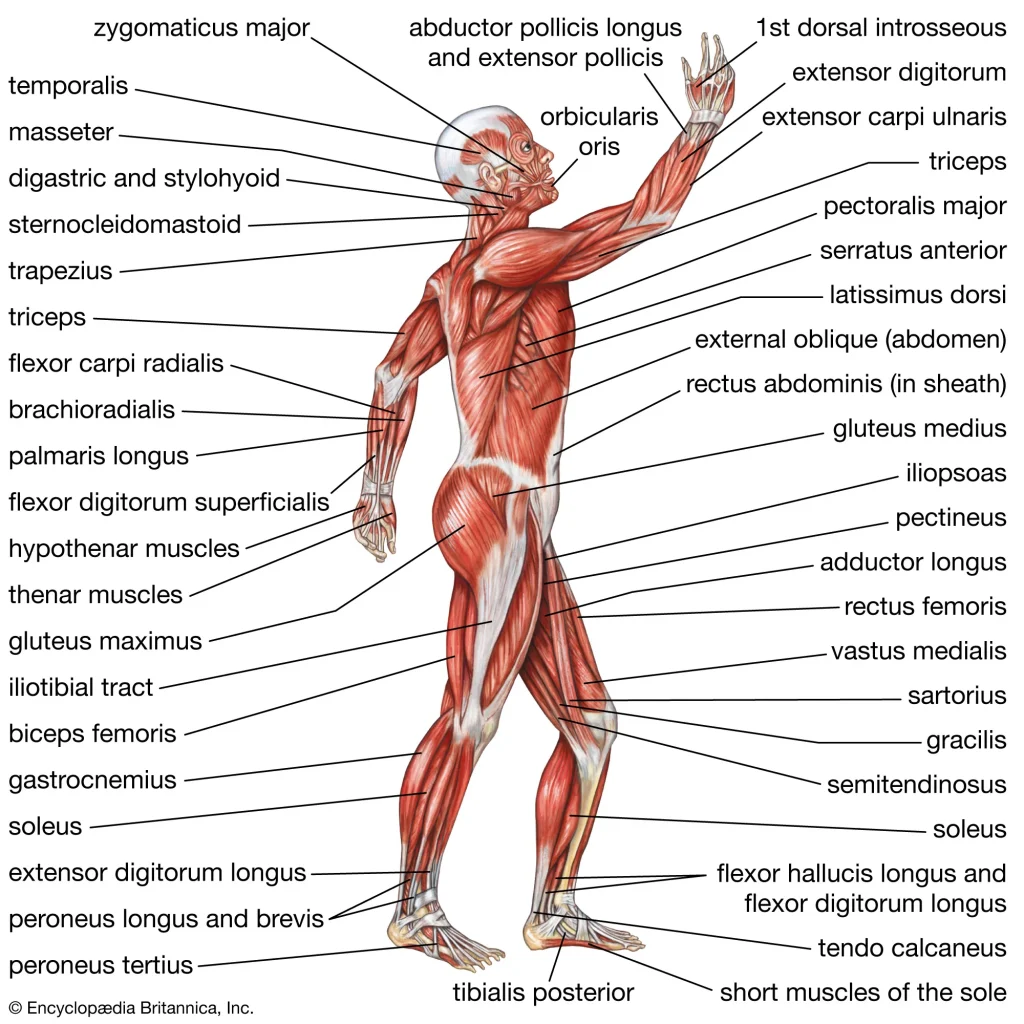
The muscular system allows the body to move, maintain posture, and generate heat. It is made up of over 600 muscles that work together to facilitate body movements, whether voluntary (like walking) or involuntary (like the heartbeat).
Function: Muscles contract to produce movement, stabilize the body, and allow fine and gross motor skills. They also generate heat to help regulate body temperature.
10. The Endocrine System: Hormonal Regulation
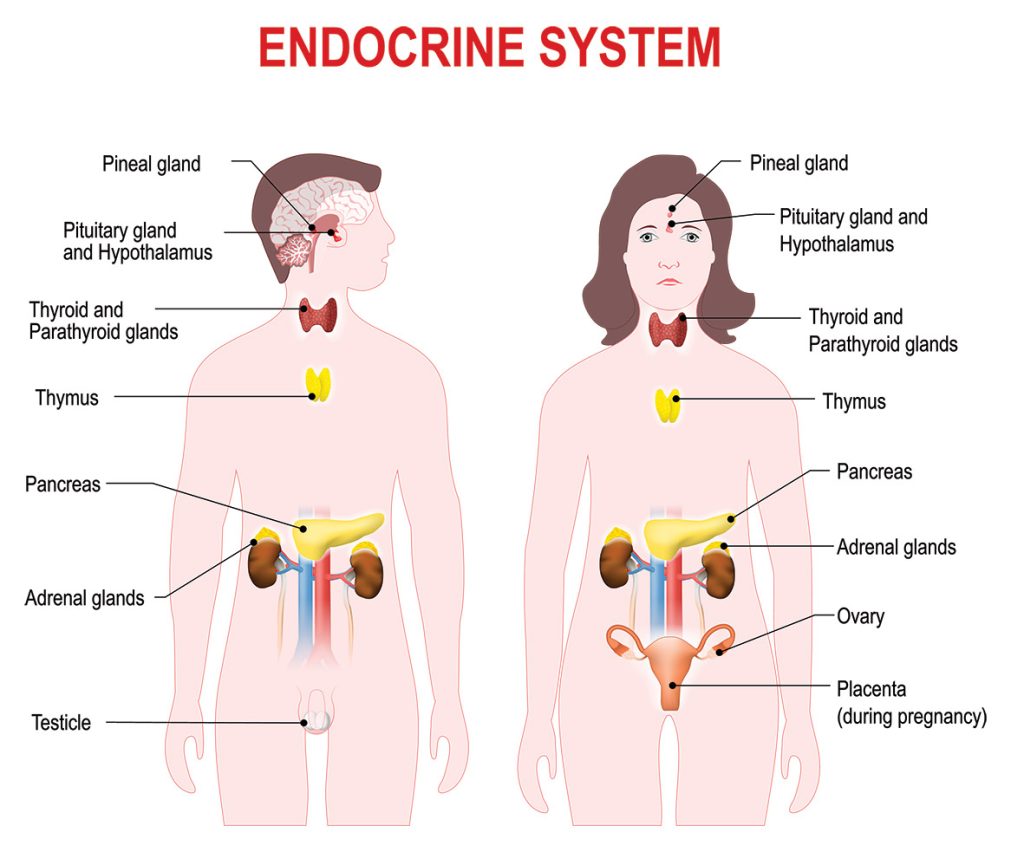
The endocrine system consists of glands that produce and secrete hormones into the bloodstream. These hormones regulate critical bodily functions such as metabolism, growth, mood, and reproduction.
Function: The endocrine system produces hormones like insulin, adrenaline, and estrogen, which control various bodily processes. The glands involved include the thyroid, pancreas, adrenal glands, and ovaries or testes.
How These Organs Work Together
The human body operates like an orchestra, with each organ playing its own role, but all functioning in harmony.
For example:
The heart pumps oxygen-rich blood to the lungs, where oxygen is exchanged and then carried through the circulatory system to cells throughout the body. The digestive system absorbs nutrients from food, which are processed and utilized by organs like the liver and kidneys for energy and detoxification. The nervous system coordinates communication between organs, enabling them to work in sync with one another.
Conclusion
The human body is a truly remarkable system of interconnected organs, tissues, and cells, each playing a vital role in maintaining our health and well-being. Understanding how these organs function individually and together highlights the importance of maintaining a healthy lifestyle. Proper nutrition, exercise, and self-care can help keep these systems working at their best, ensuring a longer, healthier life.